
Plain-language explanations of glove ratings, standards and materials, so you can read a spec sheet and pick the right protection.
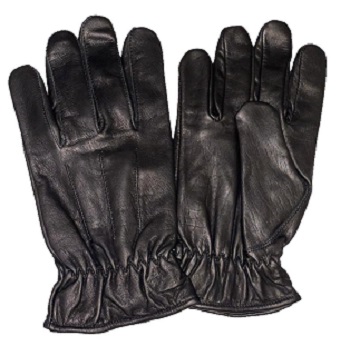
How to read the six-character EN 388 code on a glove — abrasion, cut, tear, puncture, ISO cut and impact — using the DM3000C's 4443DX rating as a worked example.
Read guide · 8 min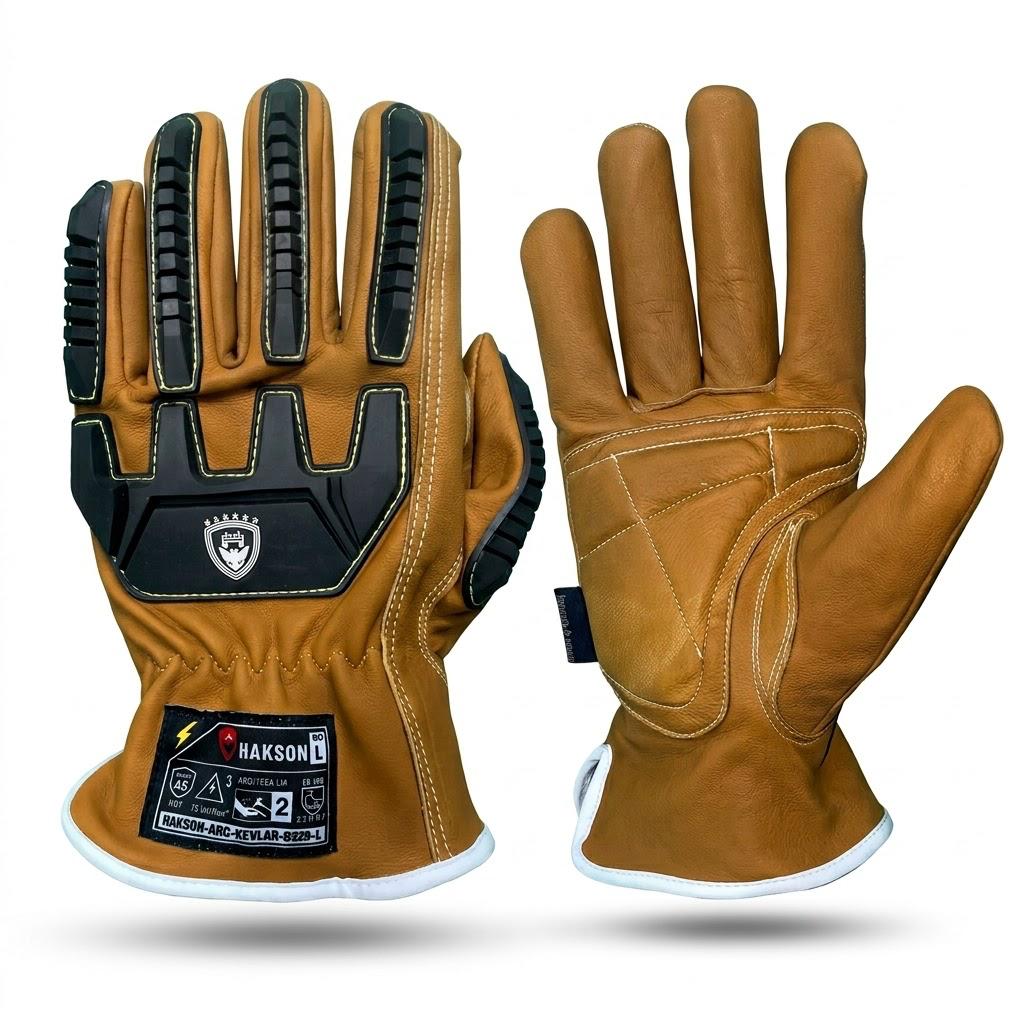
What actually stops a blade: Honeywell Spectra® vs DuPont™ Kevlar®, what "650 denier" means on a spec sheet, and how ANSI and EN 388 measure cut resistance.
Read guide · 9 min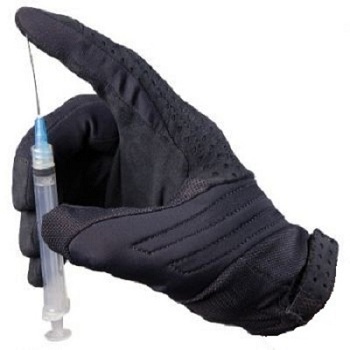
Pat-downs, cell searches, slash threats, barbed wire, arc flash, rescue, motor and winter patrol: the hazards in each job, what to look for, and which ratings to ask for.
Read guide · 6 min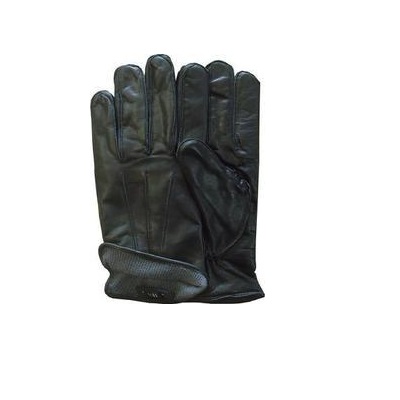
Seven checks that separate real leather from PU, vinyl and rexine: the cut edge, the back, grain pattern, the water test and why it fails on treated leather.
Read guide · 7 min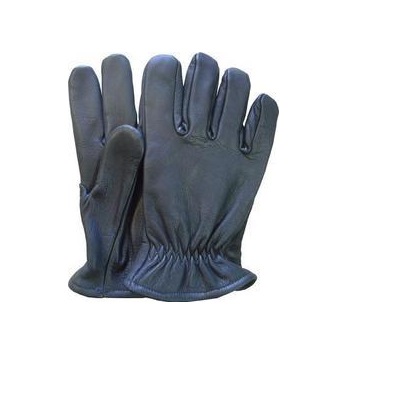
Cowhide is tougher, goatskin more supple for its strength, sheepskin the softest. How each hide behaves in a glove and which to pick for duty, tactical and dress use.
Read guide · 6 min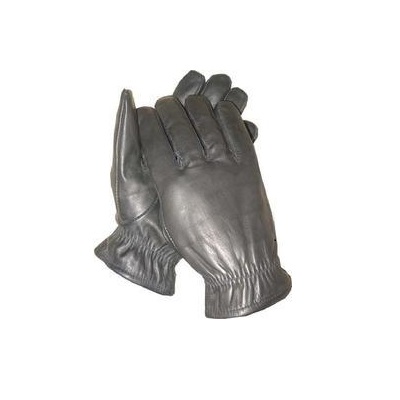
Nappa is soft, smooth, usually full grain leather; it is a finish, not an animal or a grade. Leather grades, chrome tanning, drum dyeing and thickness explained.
Read guide · 6 min