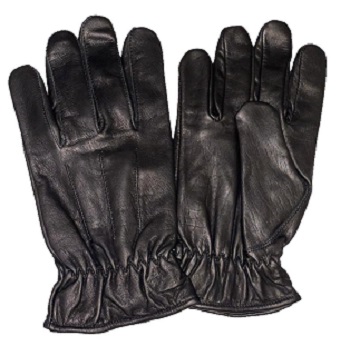
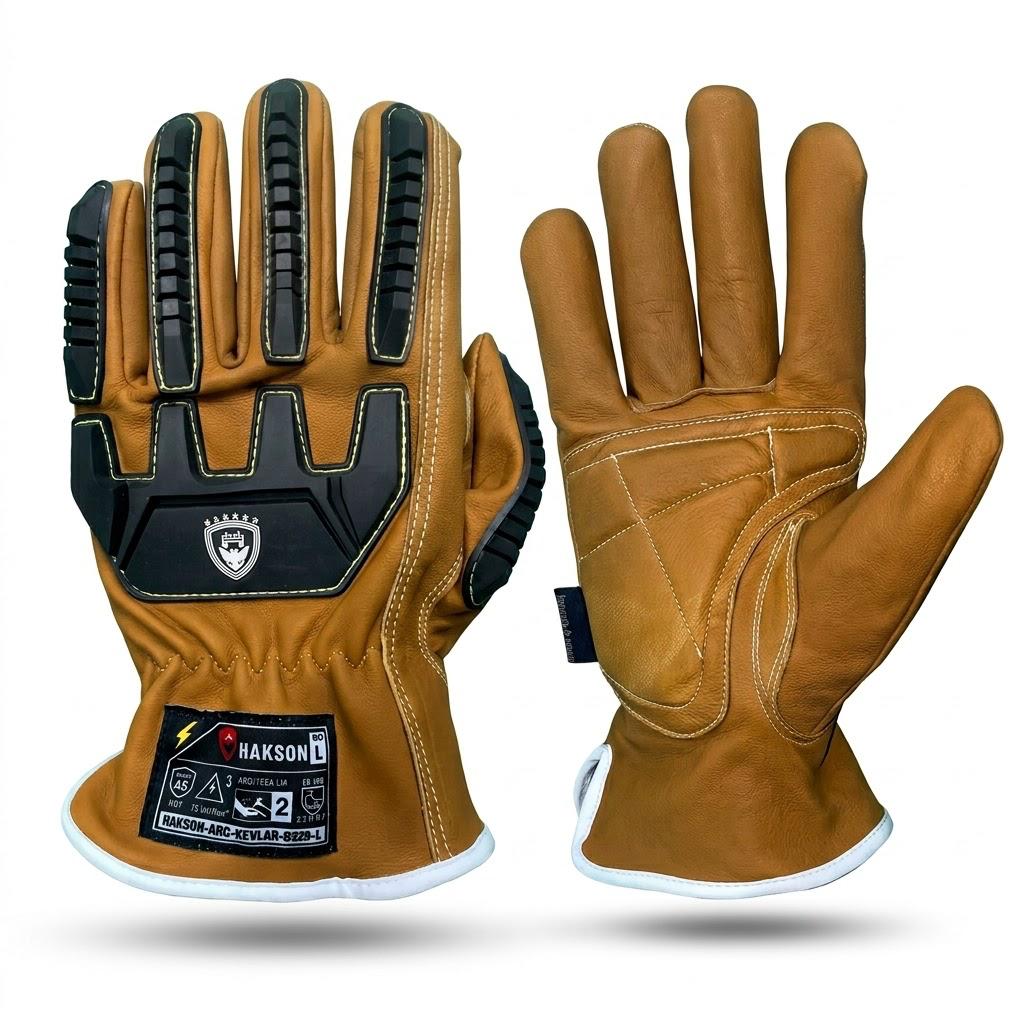
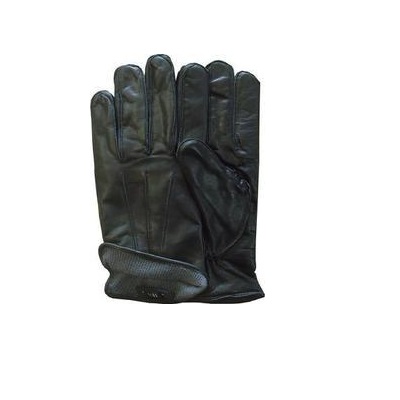
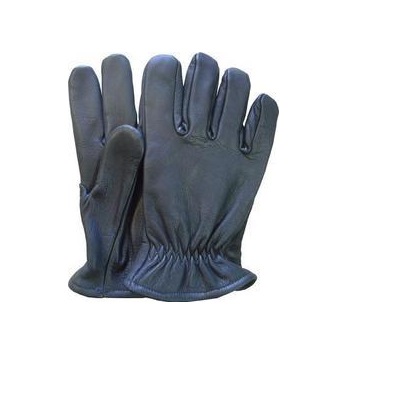
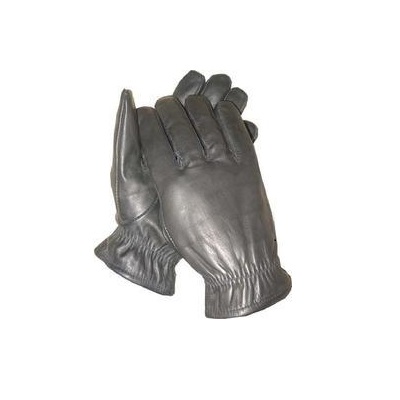
The right glove depends on the job, not the highest number on the label. A glove built for slash protection can still let a needle through, and a great cut glove can melt in an arc flash. This chart pairs common law enforcement, corrections and rescue tasks with their real hazards, what to look for in a glove, and the test ratings to ask any supplier for.
Glove selection chart
| Job | Main hazards | Look for | Ratings to ask for | Hakson options |
|---|---|---|---|---|
| Pat-down and frisk searchesPatrol officers, security | Hidden blades, hypodermic needles, broken glass in pockets and waistbands | Cut-resistant palm and fingertips that are still thin enough to feel through; needle-resistant zones | ASTM F2878 needle-puncture result; cut ANSI A4+ or EN ISO 13997 D+ | |
| Cell, vehicle and property searchesCorrections, border, drug and property units | Needles, razor blades and sharpened objects hidden in seams, vents and under seats | Needle-resistant palm and fingertips, cut liner, longer cuff for reaching into tight spaces | ASTM F2878 needle-puncture result; cut ANSI A4+ or EN ISO 13997 D+ | |
| Slash threats and public orderPatrol, public-order and tactical units | Slashing blades, abrasion, tearing | High-performance cut liner (Spectra®, Dyneema®, Kevlar®) under a full grain leather shell | EN 388 code with cut 4 or ISO 13997 D+, abrasion and tear 3–4 | |
| Barbed wire, fencing and perimeter workPerimeter security, tactical teams, rural patrol | Barbs, punctures, tearing, scrapes up the wrist | Puncture- and tear-resistant palm, gauntlet cuff to protect the wrist | EN 388 puncture 3+ and tear 3+ | |
| Arc flash and electrical utility workUtility crews, electrical maintenance, facilities | Arc flash, flame, molten metal | Arc-rated, flame-resistant shell. Over a shock hazard, wear rated rubber insulating gloves with leather protectors | Arc rating (ATPV, ASTM F2675) at or above the incident energy from your arc flash assessment |
|
| Rescue and vehicle extricationFire, rescue and emergency response | Torn sheet metal, glass, crushing and impact, heat | Cut liner that won't melt (Kevlar®), back-of-hand impact armour, flame-resistant shell | Cut ANSI A4+; impact ANSI/ISEA 138 level 1+ or EN 388 "P" |
|
| Aviation and flash-fire riskAircrew, tactical and vehicle crews | Flash fire, heat | Inherently flame-resistant fibres (Nomex®, Kevlar®) with a leather palm for grip | Flame resistance from the fibre itself, not a coating; EN 407 results where certified | |
| Tactical operations and firearms trainingTactical teams, range staff | Knuckle impact, abrasion, rope and equipment wear | Knuckle protection with a thin palm for trigger and equipment feel | Impact ANSI/ISEA 138 or EN 388 "P" where knuckle protection matters | |
| Motor patrolPolice motorcycle units | Abrasion in a fall, wind chill, grip in the wet | Full grain leather, gauntlet cuff over the jacket sleeve, lined for cold seasons | Leather thickness and cuff length; lined or unlined for the season | |
| Winter patrol and traffic dutyPatrol, traffic and outdoor units | Cold, wet, loss of dexterity | Insulation such as 3M™ Thinsulate™, water-resistant shell, enough feel to handle equipment | Insulation type and a stated temperature rating | |
| Ceremonial and dress dutyHonour guards, formal events | None mechanical; appearance matters | Fit, finish and colour match to uniform | Leather type and sizing |
How to use the chart
- Start from the hazard column. If a job has two hazards, such as needles and blades, you need a rating for each. One rating doesn't cover the other.
- Ask for the test, not the label. "Needle resistant" or "cut resistant" on a product page is a description. The ratings column lists the test results that back a claim up.
- Balance protection against dexterity. Officers take off gloves they can't search, write or handcuff in, and a glove in a pocket protects nobody.
- Gloves marked "Spec sheet" have a published data sheet with their test results. For any other glove, ask us for the test report.
The standards in the chart
| Standard | What it measures | How it's reported |
|---|---|---|
| EN 388:2016+A1:2018 | Abrasion, cut, tear, puncture and impact. See our EN 388 guide. | Six-character code, e.g. 4443DX |
| ANSI/ISEA 105-2016 | Cut resistance on a TDM machine (ASTM F2992) | Levels A1–A9 in grams to cut |
| ASTM F2878 | Resistance to hypodermic needle puncture | Force in newtons, with needle gauge |
| ANSI/ISEA 138-2019 | Back-of-hand impact protection | Levels 1–3 |
| ASTM F2675 | Arc rating of hand protection | ATPV in cal/cm² |
| EN 407 | Heat and flame | Six-digit code under a flame pictogram |
FAQ
What gloves do police use for searches?+
Search gloves combine a cut-resistant liner with needle-resistant zones on the palm and fingertips, under leather thin enough to feel through. Look for a cut level (ANSI or EN 388) and an ASTM F2878 needle result.
Are cut-resistant gloves also needle resistant?+
Not necessarily. Needles slip between the fibres that stop a blade. Needle resistance is tested separately, under ASTM F2878.
What gloves are needed for arc flash work?+
Arc-rated gloves with an ATPV at or above the incident energy from your arc flash assessment. Where there is a shock hazard, wear rated rubber insulating gloves with leather protectors. An arc-rated work glove is not an insulating glove.
What cut level do corrections officers need?+
It depends on the agency's risk assessment. Many search gloves start around ANSI A4 or EN ISO 13997 D, paired with a needle-puncture rating.